What does a solo Rust builder do when 200 hunters come for the base?
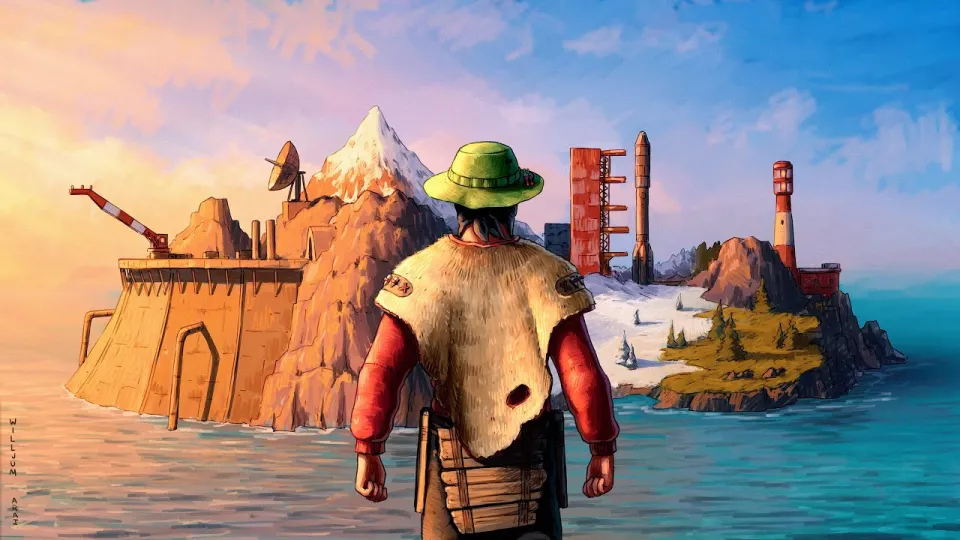
Video: When a Solo Rust builder Vs 200 Hunters...
Want articles like this for your own video to promote it on YouTube and Google? Order them through the Telegram bot @sat_sit_bot. The bot writes and publishes the articles itself (with your YouTube video embedded) on popular topical websites (no ads). Free trial — 50 articles.
· based on the channel Willjum
Key takeaways
- Willjum's video pits one solo builder against a 200-player hunter event on a Rust server.
- The solo run is a builder-focused challenge, not a standard wipe: the base itself is the weapon.
- Prep is the deciding factor: resources, layout and material upgrades matter more than aim.
- Support from other players on the server (supplies brought to the build) shaped the outcome.
- Viewers pushed for sequels: duo and trio versions, a 24-hour prep variant and a multi-creator series.
Rust is a survival game where a solo builder's real defense is preparation, not aim, and that is exactly what the Willjum video «When a Solo Rust builder Vs 200 Hunters...» puts to the test: one player, one base, and a whole server's worth of hunters trying to break in. The answer to what a solo builder can do against overwhelming numbers is to build smarter, farm early and make every wall cost the attackers more than it costs the defender. If you want to support more experiments like this one, Willjum's Patreon page is where the channel's production is funded.
Why a solo builder versus 200 hunters is a real Rust challenge
Rust is balanced around groups, so a solo player normally avoids fights and builds in quiet corners; this format deliberately removes that option. A 200-hunter event turns the base into the objective, which flips the usual priorities: instead of roaming for loot, the solo player farms stone, wood and metal, upgrades walls, and plans a layout that forces attackers into narrow, costly approaches. The challenge is not «can one player out-shoot two hundred» — nobody can — but «can one base absorb enough pressure to survive a coordinated push.» That is why the video reads as a builder's story rather than a PvP highlight reel: the tension comes from foundation placement, door count and upgrade timing.
The prep phase decides more than the fight
Preparation is the single biggest lever a solo Rust player has, and in a hunter event it is the only lever that scales. A useful way to think about the prep checklist:
- Farm before the pressure arrives. Stone and wood gathered in the first hours are worth far more than the same resources gathered while being shot at.
- Upgrade in the right order. Core walls and the loot room first, honeycomb and outer shells second — attackers break the cheap layers, so cheap layers should be the ones they reach.
- Build for time, not for looks. Every extra door, airlock and corner forces attackers to spend explosives and, more importantly, minutes.
- Keep a small, hidden stash. A solo defender who loses the main loot room but keeps a fallback box can rebuild and keep going.
- Stage repair materials inside the base. Wood and stone already on site mean repairs happen during the raid instead of after it.
None of this is exotic, but under a 200-player threat it compresses into a few hours and every mistake is visible immediately.
How a small base survives a crowd in Rust
A crowd is strong in numbers and weak in coordination, and base design exploits that gap. Chokepoints — narrow doorways, jump-ups, tight corridors — mean only a few hunters can engage at once, so the effective attacking force is never really 200. Verticality helps too: a defender on a higher floor with a sightline controls a stairwell that attackers must climb one at a time. Spread-out loot rooms and decoy boxes make the raid longer, and length is the solo player's best ally because attention and explosives both run out. In practice, the base does the fighting; the player's job is to keep it standing and to punish anyone who overcommits to a single entrance.
What the community took away from the run
The reaction around the video focused less on kills and more on the format itself. Viewers repeatedly asked for a sequel with different parameters: the same challenge as a duo or trio, a version with a full 24 hours of preparation before the hunters arrive, and even a multi-creator event where several base builders defend their own designs on one island before falling back to a shared final base. Another thread of comments zeroed in on the small human moments — supplies delivered to the solo builder by another player, and a stretch where the builder keeps checking over his shoulder despite being effectively alone on the server. Those details are why the run reads as a story: the base is the protagonist, and the hunters are weather.
Common questions about solo base defense in Rust
A few recurring doubts come up whenever this kind of challenge is discussed, and they apply to ordinary wipes as much as to event servers.
- Is a solo base ever actually safe? No base is unraidable; the goal is to make the raid cost more than the loot is worth, which is why honeycomb, multiple doors and decoy rooms matter.
- What should a solo player upgrade first? The core and the loot room, then the layers attackers must pass through — not the roof or the decorative shell.
- How do you handle groups while solo? Avoid open fights, use chokepoints and doors, and treat every engagement as a trade you only take when the base benefits.
- Does farming or building matter more? They are the same task: farming exists to fund upgrades, and upgrades exist to buy time.
Useful links
- Willjum on Patreon — support the channel and its challenge videos.
- Willjum on Twitch — live Rust sessions and event runs.
- Willjum on Twitter — schedule and video announcements.
- Creative Commons Attribution 4.0 — the license behind part of the music used in the video.
The bottom line on solo building against a horde
The solo builder versus 200 hunters format works because it turns Rust's group-centric balance into a design problem rather than a shooting problem. The base, the upgrade order and the prep window do the heavy lifting, and the hunters' numbers matter less once chokepoints and doors limit how many can attack at once. Willjum's video is a clear demonstration of that principle, and the audience response suggests the idea has room to grow into duos, longer prep windows and multi-creator events. If you want to see more experiments like it produced, backing the channel through Patreon is the most direct way to help.
Source: When a Solo Rust builder Vs 200 Hunters... · Markdown version
Questions & answers
Can a solo player really survive against 200 hunters in Rust?
Not by fighting them directly — no solo player wins a straight exchange against a crowd. Survival comes from base design, upgrade order and a prep window that forces attackers through chokepoints and multiple doors. The base absorbs the pressure while the defender repairs and punishes overcommitment.
What is the most important prep step before a raid-heavy event?
Farming and upgrading the core early, then layering honeycomb and extra doors around it. Staging repair materials inside the base and keeping a hidden fallback stash matter almost as much, because they let the defender keep going after the first breach.
Why do viewers want a duo or trio version of this challenge?
Because the format scales in interesting ways: more players mean more building capacity and split responsibilities, but also more coordination to manage. A longer prep window, such as a full day, is another popular suggestion since it would show how far preparation can be pushed.
Does this challenge apply to normal Rust wipes?
Yes — the same principles decide ordinary solo survival. Chokepoints, upgrade priority, decoy loot rooms and repair stock are standard solo practice; the hunter event just compresses the timeline and makes every mistake immediately visible.